

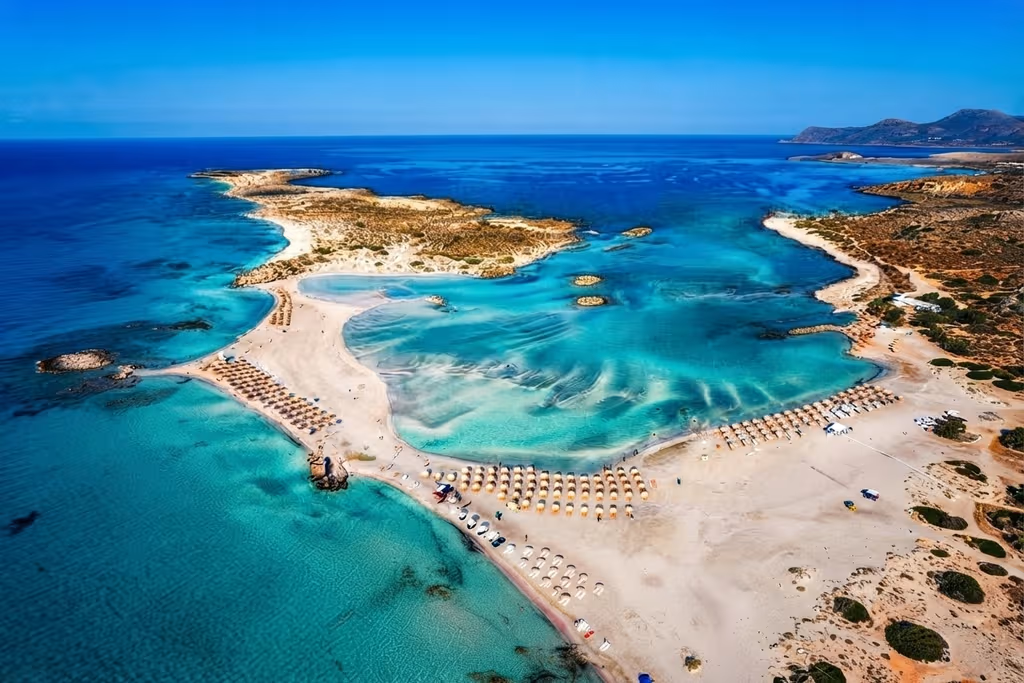
The first time you arrive at Elafonissi, it is difficult not to stop for a moment before heading down to the beach. After the mountain road, the landscape suddenly opens up and the sea appears in front of you, impossibly blue, with a long strip of pale sand between you and the Libyan Sea. Elafonissi is one of those places where the photographs you have seen beforehand suddenly make sense, but somehow still don’t prepare you for the real thing. The colours are softer, the space is bigger, and the combination of shallow water, sand and mountains has a character that photographs never quite capture.
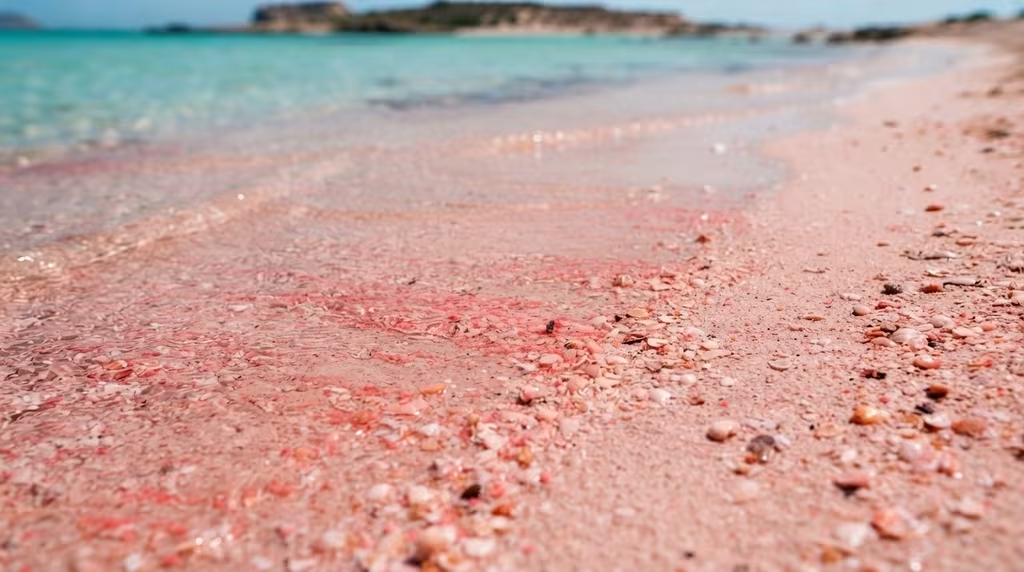
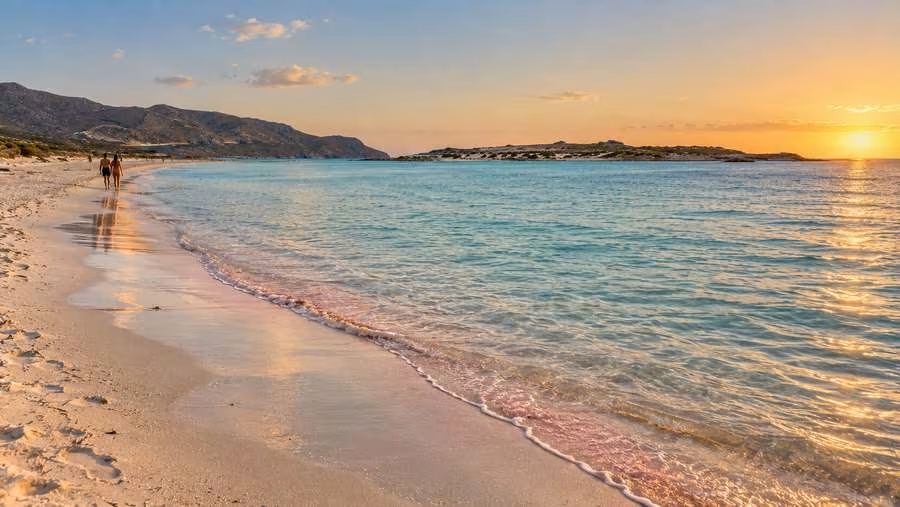
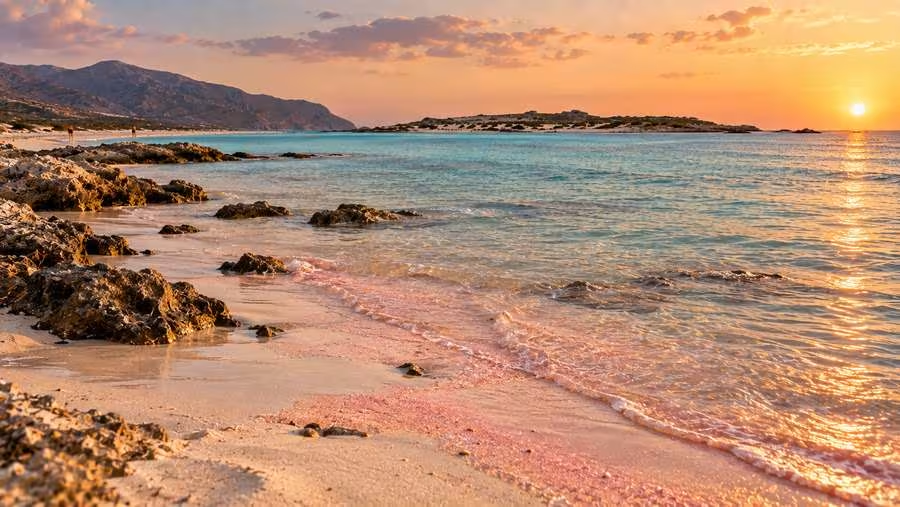
And then you start looking for the famous pink sand. Is it really pink? Yes, but don’t expect an entire beach covered in bright pink sand. The colour is often delicate, appearing in patches or as a pinkish line along the water. Sometimes you notice it immediately; sometimes you only see it when you stop and look closely. For me, that is part of the charm. Elafonissi doesn’t feel like a landscape designed to impress you. Its colours come from the sea, the sand, the light and the tiny pieces of marine life that have been accumulating here for a very long time. Once you understand where that colour comes from, the beach becomes even more fascinating. What looks like a simple splash of pink is actually the result of geology, marine life, erosion and the constant movement of the Mediterranean.
Why Is Elafonissi Beach Pink? The Strange Little Secret Beneath the Sand
The story begins in the sea. Among the microscopic organisms living in the waters around Elafonissi are tiny creatures called foraminifera. Some species produce shells, or tests, containing calcium carbonate and can have reddish or pinkish tones. When these organisms die, their microscopic remains eventually become part of the sediment on the seabed. The sea does the rest, although it takes an extraordinary amount of time. Waves break shells and other marine material into smaller fragments and move them towards the shore. Little by little, these particles become mixed with the much paler sand already present on the beach. Where there is a sufficient concentration of them, you get those delicate pink and reddish tones that have made Elafonissi famous.
I find this much more interesting than simply calling it a “pink beach”. When you stand at the water’s edge and look down, you are looking at the remains of countless tiny organisms and at the work of the sea over an enormous period of time. The colour isn’t decoration. It is part of the history of the coastline. It also explains something that can surprise visitors: Elafonissi does not look equally pink everywhere. The concentration of marine fragments changes from one part of the beach to another, while waves and currents constantly redistribute the sediment. Wet sand can also look much more colourful than dry sand, and the angle of the sun changes what you see.
So don’t arrive disappointed if your first impression is a white or golden beach. Walk along the shoreline and look closely. The pink is often there in much subtler shades, mixed with the pale sand. In my opinion, that is actually more beautiful than a uniformly pink beach would be. There is also a very good reason to leave the sand where it is. Elafonissi is a fragile natural environment, and the sand is part of that ecosystem. With thousands of visitors coming every year, even small amounts removed repeatedly can add up. Take photographs, take the memory home, but leave the beach itself exactly where you found it.
The Elafonissi Lagoon: Walking Through Crete’s Impossible Blue
If the pink sand is what brings people here, the lagoon is what makes many of them stay. The shallow water between the mainland and Elafonissi island is one of the most enjoyable parts of the whole experience. On a calm day, you can walk into the sea and keep walking, sometimes with the water barely reaching your ankles. The sand beneath your feet is pale and soft, and the water gradually changes from almost transparent to light turquoise and then deeper blue. There is something wonderfully unhurried about walking across the lagoon. You don’t really feel as though you are going anywhere. You stop to look back at the beach, take a photograph, watch the reflections on the water, walk a little further and then turn around again.
Families understandably love this part of Elafonissi because of the shallow water, but you don’t have to be travelling with children to appreciate it. I could spend a surprisingly long time simply walking through the lagoon. The water is often warmer than the open sea, and when there is little wind it feels almost like a giant natural swimming pool. Of course, Crete is still Crete. The weather can change, and the calm lagoon you find in the morning may look very different later in the day. Beyond the sheltered shallow water, the Libyan Sea can be considerably more energetic. It is worth enjoying the lagoon for what it is rather than assuming that the whole coastline will always be calm.
Walking Across to Elafonissi Island: Following the Shallow Blue
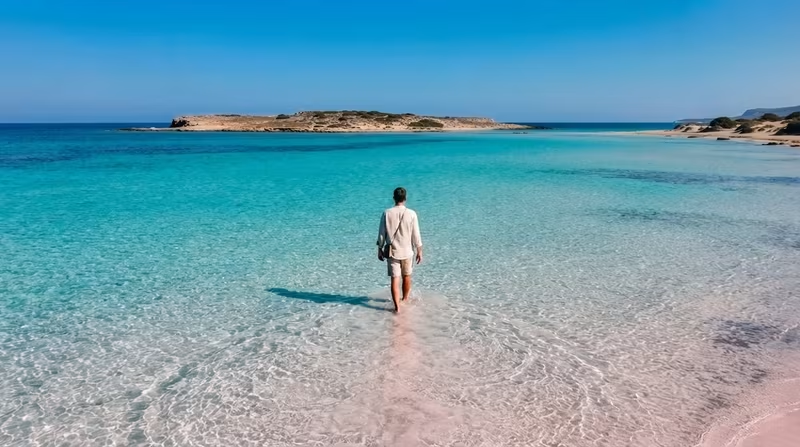
The little island across the lagoon is impossible to ignore. From the mainland it looks close enough to touch, and on a calm day there is no reason not to walk over. The crossing itself is part of the fun. There is something slightly surreal about walking through clear turquoise water towards an island with nothing but sand and low vegetation around you. It is not a dramatic hike, but it is one of those small experiences that makes a beach day memorable.
Once you reach the island, turn around. The view back towards Elafonissi is probably the best reason for making the crossing. From there, the beach stretches along the coast, backed by dunes and mountains. The perspective is completely different from the mainland. The island is exposed, though, and the sun can be relentless. Take water and protection from the sun, especially if you decide to wander further rather than simply crossing over and back. There is no need to rush. Sit for a while, look at the sea and enjoy the fact that there are very few places where you can casually walk from a Cretan beach onto an island.
Elafonissi and Its Fragile Dunes: The Wild Side of the Pink Beach
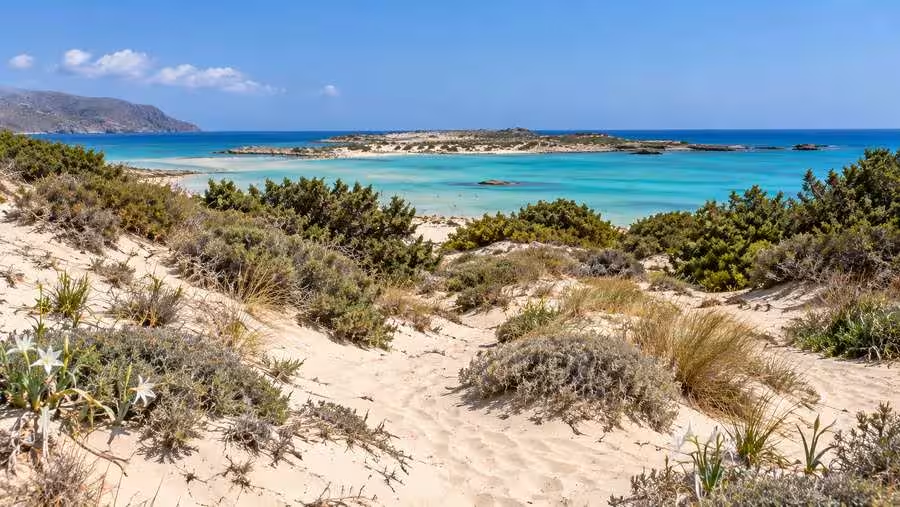
One of the things I particularly like about Elafonissi is that the landscape behind the beach still feels natural. There are no huge hotels rising directly behind the sand, no urban skyline and no sense that the coastline has been completely reshaped for tourism. Instead, you have dunes, low vegetation, sand and the dry, rugged landscape of southwestern Crete. It is easy to overlook the plants because they are not spectacular, but they are doing important work. Coastal vegetation helps hold the dunes together in an environment where wind, salt and sun are constantly trying to move everything around.
This is also why some parts of Elafonissi deserve a little respect. Walking wherever you like might seem harmless, particularly when you are looking for a quieter spot, but repeatedly trampling fragile vegetation gradually damages the landscape. Stay on existing paths where possible and don’t treat the dunes as a playground. There is a pleasure in leaving some places alone. Elafonissi doesn’t need more development to become interesting. The dunes, the wild vegetation and the open landscape are part of what makes the beach feel like southwestern Crete rather than another Mediterranean resort.
What to Do at Elafonissi Beach: Our Favourite Ways to Spend the Day
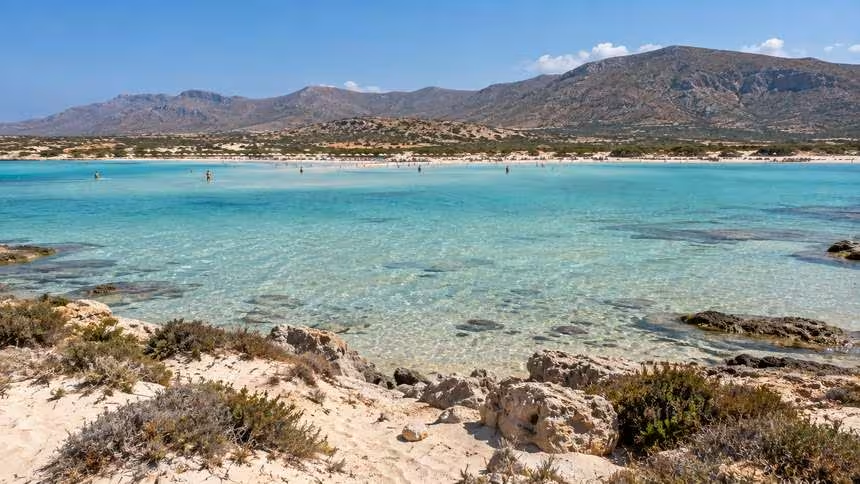
Of course, you can simply swim. And you probably should. The water is wonderfully clear, especially when the wind is calm, and the lagoon gives you plenty of shallow space to cool down. Bring a mask and snorkel if you enjoy looking underwater, although Elafonissi isn’t somewhere I would visit specifically for serious snorkelling. The pleasure here is the clarity of the water and the landscape rather than a spectacular underwater reef.
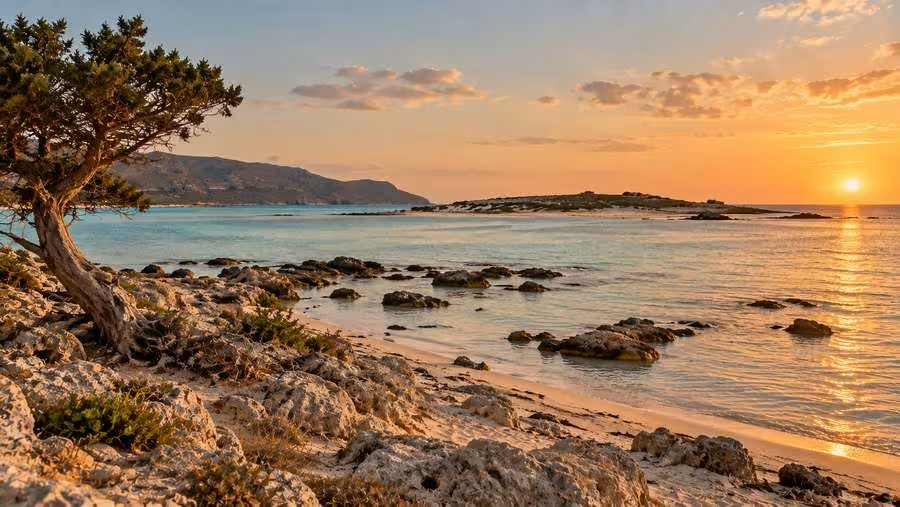
I also recommend walking. Don’t settle into one place for the entire day without exploring the shoreline. The beach changes as you move along it, and so does the colour of the water. One minute you are standing beside a pale sandy beach; a few minutes later you are looking at a stretch where the sand has a distinctly pinkish hue. Photography is almost unavoidable. Early in the day, the light is softer and the beach feels calmer. Later in the afternoon, the lower sun can bring out warmer colours in the sand and mountains. But don’t spend the whole visit looking through your phone. Elafonissi is one of those places where putting the camera down for ten minutes is genuinely worthwhile. Sometimes the best thing to do is simply sit at the water’s edge and watch the lagoon change colour.
When Is the Best Time to Visit Elafonissi? Finding the Beach at Its Best
My favourite times are outside the absolute peak of summer. May, June and September can offer a much nicer balance between warm weather and a little breathing space. The sea is inviting, the days are long and the experience generally feels less hectic than it does during the busiest weeks of August. July and August are another story. The beach can become very busy, particularly from late morning onwards. There is nothing wrong with visiting then—the landscape is still beautiful—but the atmosphere is very different when large numbers of people arrive at the same time.
If summer is your only option, go early. This is one of the rare pieces of travel advice that really changes the experience. The morning light is beautiful, temperatures are easier to handle and the lagoon feels much more spacious before the crowds arrive. I also like Elafonissi in the late afternoon. As day-trippers begin leaving, the beach gradually becomes quieter. The harsh midday light disappears, the colours become warmer and the landscape starts to feel much more peaceful. If you have your own car, staying late can be one of the nicest ways to experience the place.


How to Get to Elafonissi Beach: The Road Is Part of the Adventure
Elafonissi lies roughly 75–80 kilometres from Chania, but the journey feels longer in the best possible way. This is not a fast drive where you simply follow a motorway until you reach the beach. You climb through the mountains, pass villages and travel through increasingly wild sections of western Crete. If you have a rental car, I would treat the drive as part of the day rather than something to get through as quickly as possible. There are moments when the road opens onto views of the mountains and valleys that are almost as rewarding as the destination itself.
From Chania, allow around one and a half to two hours, depending on traffic and road conditions. In summer, I would leave early not only for the beach but also because driving the mountain roads is much more pleasant before the strongest heat and busiest traffic. Organised excursions are available from Chania and other tourist areas, which can be convenient if you don’t want to drive. The disadvantage is that you are tied to someone else’s timetable, and you will usually arrive during the same busy part of the day as many other visitors. Seasonal buses can also serve the area, although timetables change, so check the current schedule before relying on public transport.
Facilities at Elafonissi Beach: Beach Life Without Losing the Wild Feeling
Elafonissi may feel remote, but it isn’t completely wild. During the main season there are organised areas with sunbeds and umbrellas, as well as places where you can get drinks and something to eat. Personally, I like having some facilities here because it makes spending a whole day at the beach much easier, but I also appreciate that they remain relatively limited. Elafonissi still feels like a natural landscape rather than a resort that happens to have a beach.
Bring your own water, sunscreen and anything else you might need, especially if you intend to explore the island. Shade can be limited, and the combination of strong sun and pale sand can catch you out surprisingly quickly. A pair of comfortable sandals or water shoes is useful too. You don’t necessarily need them, but they make walking through the lagoon and exploring the less sandy areas more comfortable.
Places Near Elafonissi Beach: Where to Go When You’re Not Ready to Leave
If you’ve made the effort to come this far southwest, don’t necessarily turn around as soon as you’ve finished swimming. Kedrodasos Beach is nearby and offers a very different experience. There is less of the organised beach atmosphere and more of a feeling of being surrounded by nature, with juniper trees and dunes close to the sea. It is a good contrast with Elafonissi and a worthwhile stop if you have your own transport.
Paleochora, further east, is another place I like to combine with this part of the coast. It is a proper little seaside town rather than simply a beach destination, with cafés, restaurants, accommodation and its own beaches. If you have several days, staying in or around Paleochora allows you to explore southwestern Crete without turning every day into a long round trip from Chania. And don’t underestimate the journey itself. Western Crete has a slower, more rugged character than some of the island’s better-known northern resorts. The mountain roads, small villages and empty stretches of countryside are part of the reason I enjoy driving in this part of the island.
Practical Tips for Visiting Elafonissi: The Little Things That Make a Difference
The first thing I would say is simple: don’t arrive at noon in August and expect solitude. If you can, arrive early or come later in the afternoon. The difference is remarkable. Don’t go searching for a perfectly pink beach either. Look closely at the shoreline instead. The pink usually appears mixed with pale sand, and the colour can be surprisingly delicate. The photographs that show an intensely pink beach often exaggerate what you will actually see.
Bring plenty of water and serious sun protection. If you cross to the island, remember that there is little shade, and the walk feels longer when you are carrying a tired child or dealing with strong afternoon heat. And please leave the sand alone. It is tempting to take a tiny bottle home, particularly when you have travelled a long way to see it, but Elafonissi has already given you something better: the experience of standing in the lagoon with those strange colours under your feet.
Is Elafonissi Beach Worth Visiting? More Than Just a Pretty Photograph
I think Elafonissi is worth visiting precisely because it is more than the photograph you have probably seen before travelling to Crete. Yes, the water really can be that turquoise. Yes, parts of the sand really can look pink. And yes, you really can walk across the shallow lagoon to a small island. But the memorable part is what happens when all those things come together.
The pink sand has a story. It comes from tiny marine organisms, shells, sediment and the endless work of waves and currents. The lagoon has its own character, changing colour and temperature with the weather and the light. Behind the beach, the dunes and vegetation remind you that this is a fragile coastal landscape rather than a theme park built for photographs.
That is why I would not recommend rushing through Elafonissi just to tick it off a list of “best beaches in Crete”. Give it a proper day if you can. Walk barefoot along the water, cross the lagoon, sit on the island for a while, swim, explore the shoreline and wait for the afternoon light. The pink sand may be what first caught your attention, but it isn’t necessarily what you will remember most.
For me, it is the feeling of standing in that shallow water, looking back towards the beach and mountains, with the sea stretching out towards the Libyan coast. For a moment, everything seems unusually quiet and uncomplicated. And that is perhaps the best reason to make the journey to Elafonissi Beach in Crete.